Tastes of Mumbai
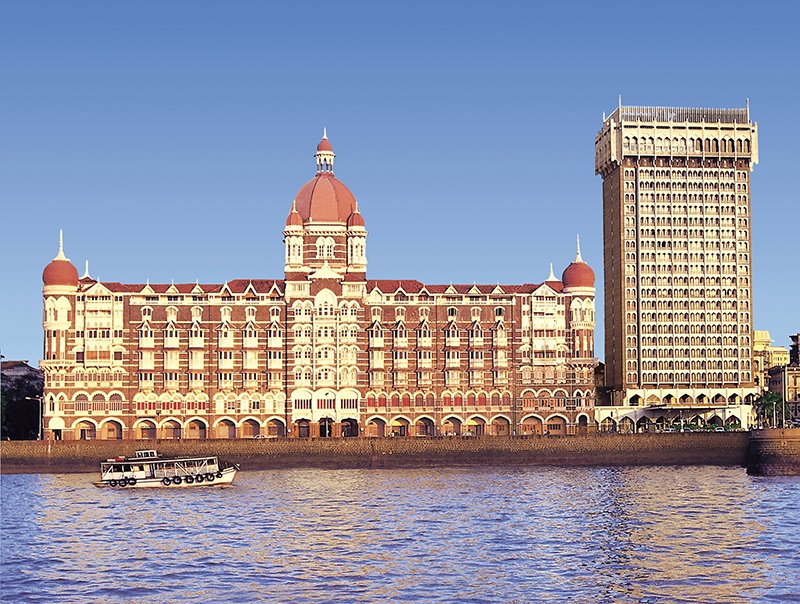
Mumbai, Bombay, Kakamuchee, Galajunkja: differing names over time, but this bustling city on the banks of the Arabian Sea captivates, inspires and engages with a colourful history told through its diverse food culture.
Built on what was once an archipelago of seven islands, Mumbai is the capital of India’s Maharashtra state, the most populous city in India – and the fourth in the world – with an estimated population of 21 million.
Apparent in the melting pot of rich traditional cuisines and impressive flavours are centuries-old customs, a fusion of dynamic modernity and there is no better introduction to an ethos than its food. The choice is endless.
Ram Singh, our tour guide, is impatient to “reveal the sights”, indicating the city also has the best outlets for retail therapy. Enthusiasm is now contagious. Bewildering reflections of a city that never sleeps give way to amazement. Mumbai, the commercial and financial capital of India, and home to one of the biggest film industries in the world – Bollywood – awaits discovery. Rich with heritage and a distinct charm, you’ll be fascinated by the different facets of this vibrant city from colonial architecture and art galleries in south Mumbai to the vibrant markets and youth-oriented lifestyles of the northern districts.
The architecture blends Gothic, Victorian, art deco, Indo-Saracenic and contemporary styles. Many buildings, structures and historical monuments remain from the colonial era. Mumbai, after Miami, has the second largest number of art deco buildings in the world. Ram is a mine of information!
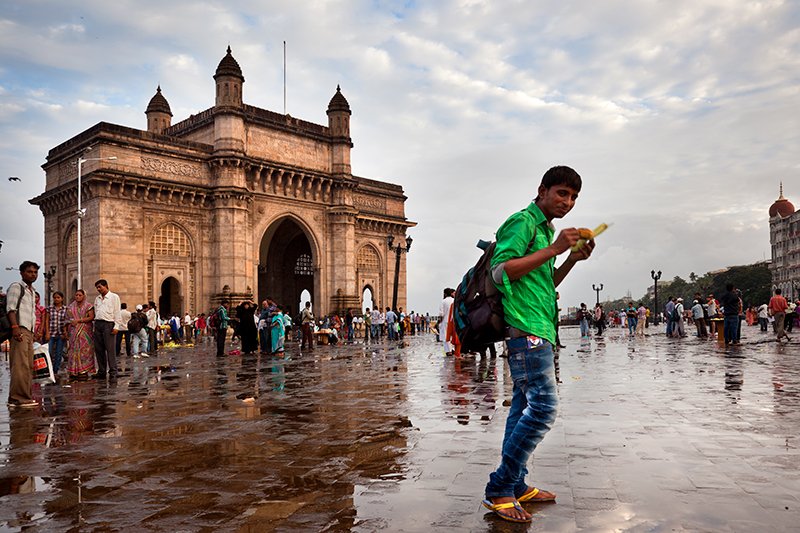
Gaze in awe at the British colonial architecture of south Mumbai where the iconic Gateway of India towers over Mumbai harbour. The 26-metre-high gateway is a basalt arch monument built in 1911 during the British Raj and overlooks the Arabian Sea.
At the end of the British Raj in 1947, the last of their troops left through the intimidating gateway, which is what visitors see when approaching Mumbai by boat. The atmosphere around the monument, particularly of an evening, resembles a circus, with innumerable vendors peddling everything from Indian tea to balloons.
Visit the ornate High Court and see ancient sculptures and miniature paintings in the Chhatrapati Shivaji (formerly Prince of Wales) Museum in Kala Ghoda. Walk through the UNESCO World Heritage Site of Chhatrapati Shivaji Terminus, a railway station, that’s a brilliant specimen of the Victorian Gothic style of architecture in India. Once called Victoria Terminus, the station is positioned on the suburban railway tracks of Mumbai. The station was featured prominently in the Academy Award-winning film Slumdog Millionaire in 2008.
This dynamic city is overpowering from scenic Marine Drive, a three-kilometre-long boulevard in south Mumbai, which is a popular haunt for locals and tourists alike. It sits over reclaimed land facing west-south-west. Marine Drive, a C-shaped six-lane road along the coast with a natural bay that’s part of the Arabian Sea, links Nariman Point to Babulnath and Malabar Hill. Known as the ‘Queen’s Necklace’, it’s at its twinkling best in the evening.
One of the most famous suburbs of Mumbai, Juhu is well-known for its beach and as the address for wealthy business identities and some of the most famous stars of the Indian film industry. Juhu Beach is where you go to unwind, watch the sunset across the sea and give in to your adventurous streak at the ‘chowpatty’, by sampling some tasty snacks like Vada Pav from a multitude of food stalls and mobile vendors.
As Mumbai mesmerises, you’ll easily relate to Helen Keller’s sentiments: “The best and most beautiful things in the world cannot be seen or even touched. They must be felt with the heart”.
True grandeur
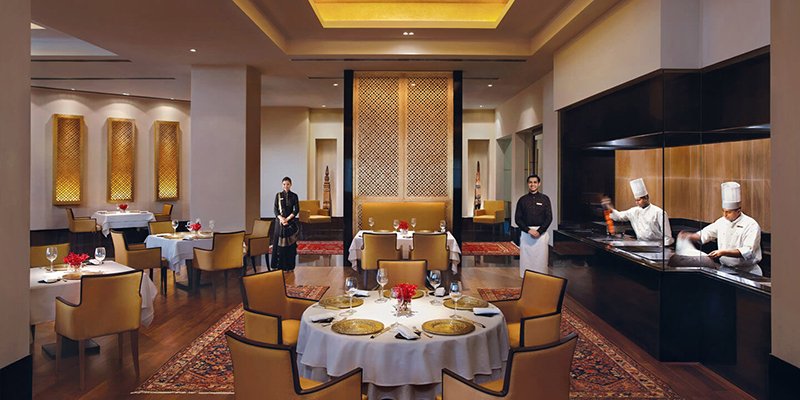
Feel pampered in the true grandeur of the iconic Taj Mahal Palace Mumbai where Masala Kraft is one restaurant that serves Indian food with a twist. Taste the robust flavours
in the signature chicken dishes like Murgh Makai and Tikki Murgh, but my favourite is Baingan Bharta (eggplant). Hearty tastes.
Leave a comment