Kerala, savoured
The cacophony of sights and sounds is overwhelming, but awe-inspiring. There is order in the disorder of a seemingly frenzied crowd of people and jammed traffic as you stand at the congested junction in the beach town of Kovalam in India’s south-western state of Kerala.
Thoughts turn to what Evelyn Greenslade said in John Madden’s film, The Best Exotic Marigold Hotel. Actually, it was Academy Award-winning actress Judi Dench, playing the character, who said these profound words:
“India is an assault on the senses … a riot of noise and colour.” How right she was, because art had perfectly imitated realistic wisdom in reel life!
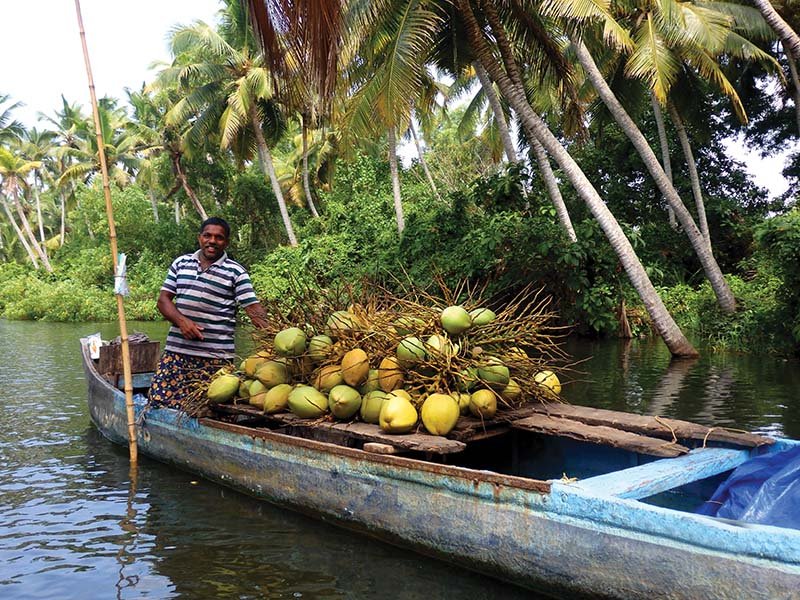
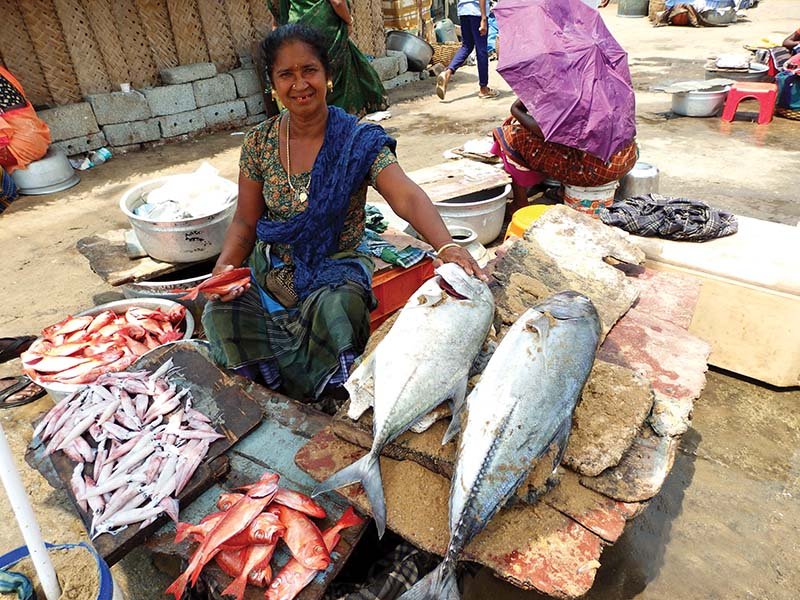
No matter where you are in Kerala, everything is magnified … the pace of life is constant and intense, the people are charming, lush green landscapes breathtaking, traffic is overpowering, sounds are sometimes deafening, the pristine beaches are inviting, multi-coloured hues are vivid, cuisine is tantalising, spices are full-flavoured and you’re finely-tuned to the magical festivals and infectious music.
It’s propitious then to know I’m on the Malabar Coast in a tropical paradise popularly known as ‘God’s Own Country’. It was formed in 1956 by combining Malayalam-speaking regions (it has five main regional dialects) – spoken by 90 per cent of the locals.
With a population of 34 million, Kerala is no Shangri-La. This land of coconuts enjoys a unique topography with the Arabian Sea, a part of the Indian Ocean on the west and the Western Ghats on the east, networked by 44 rivers. It is divided into three geographical regions: highlands, which slope down from the Western Ghats onto the Midlands of undulating hills and valleys into an unbroken coastline with many picturesque backwaters, interconnected with canals and rivers.
The 580-kilometre shoreline is dotted with serene beaches, tranquil stretches of emerald backwaters, sprawling paddy fields, lush plantations, verdant hill stations, exotic wildlife, grand waterfalls, rejuvenating Ayurvedic health retreats and historic and cultural monuments.
With a protected area of more than 2,300 square kilometres, it has two national parks and 12 wildlife sanctuaries. The development of sustainable and eco-friendly tourism has made Kerala an eco-tourism destination because of the rich biodiversity, unmatched natural attractions and an equable climate.
A pleasant discovery is about Kerala being one of India’s most progressive states in terms of social welfare and quality of life: the first in India to reach 100 per cent literacy rate, it has the highest life expectancy at 75.1 per cent compared with 65.6 per cent of the national average and the lowest child mortality count.
It is the only state in India where Ayurveda is still followed as a mainstream medicine. In fact, various Ayurvedic treatments and food habits have become an integral part of the Keralite lifestyle. That’s because Ayurveda is not simply a mode of healthcare, but also a fundamental approach to life. An estimated 25 per cent of India’s 15,000 plant species are found in Kerala.
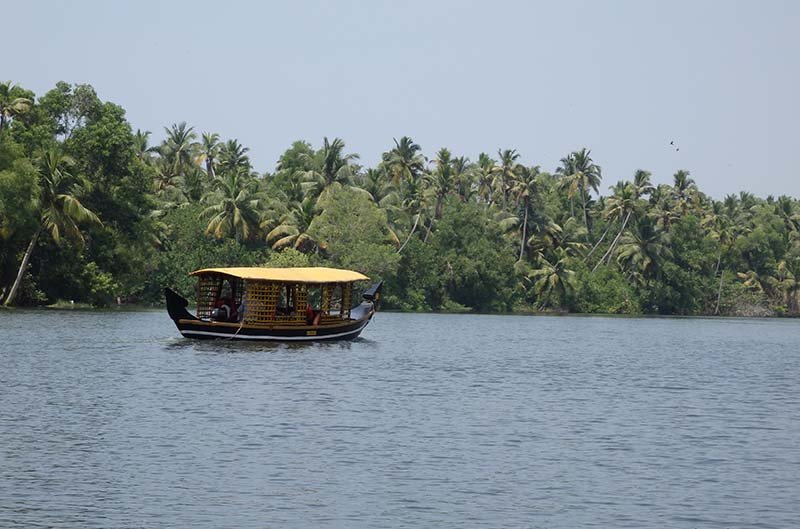
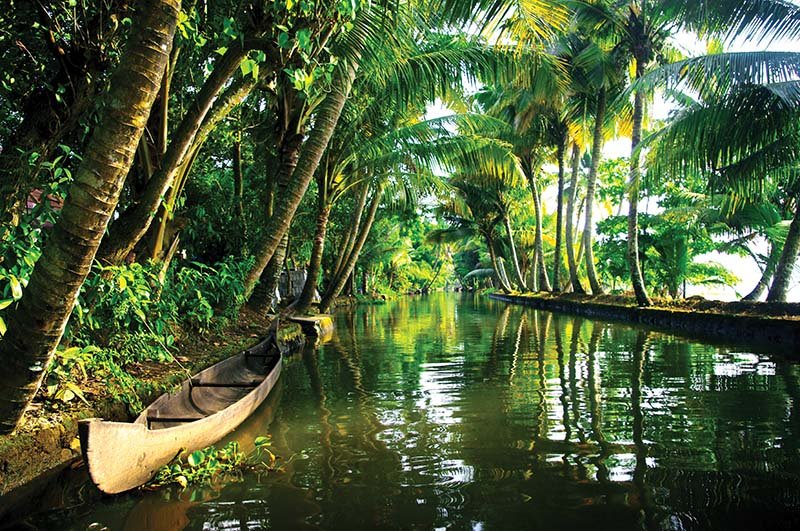
One of the most interesting geographical features is the backwaters, a chain of brackish lagoons and lakes lying almost parallel to the western coast of the state.
The total expanse stretches over 1,500 kilometres, north-to-south, with an interconnected network of canals, lagoons, inlets and lakes. Often these waterways are the only link between isolated villages and bustling towns.
Leave a comment